
Which credit card is best for your spending?
Tell us what you spend each month. We rank all 474 Indian credit cards by the money they would actually put back in your pocket — category caps, exclusions, fee waivers and milestones all applied.


What you spend each month
₹50,000/moE-Commerce & Online
Daily Essentials
Most cards earn ₹0 rewards on fuel (surcharge waiver only).
Frequently excluded from rewards in India.
Lifestyle, Bills & Other
Almost always earns ₹0 and may carry a fee.
Often excluded or capped.
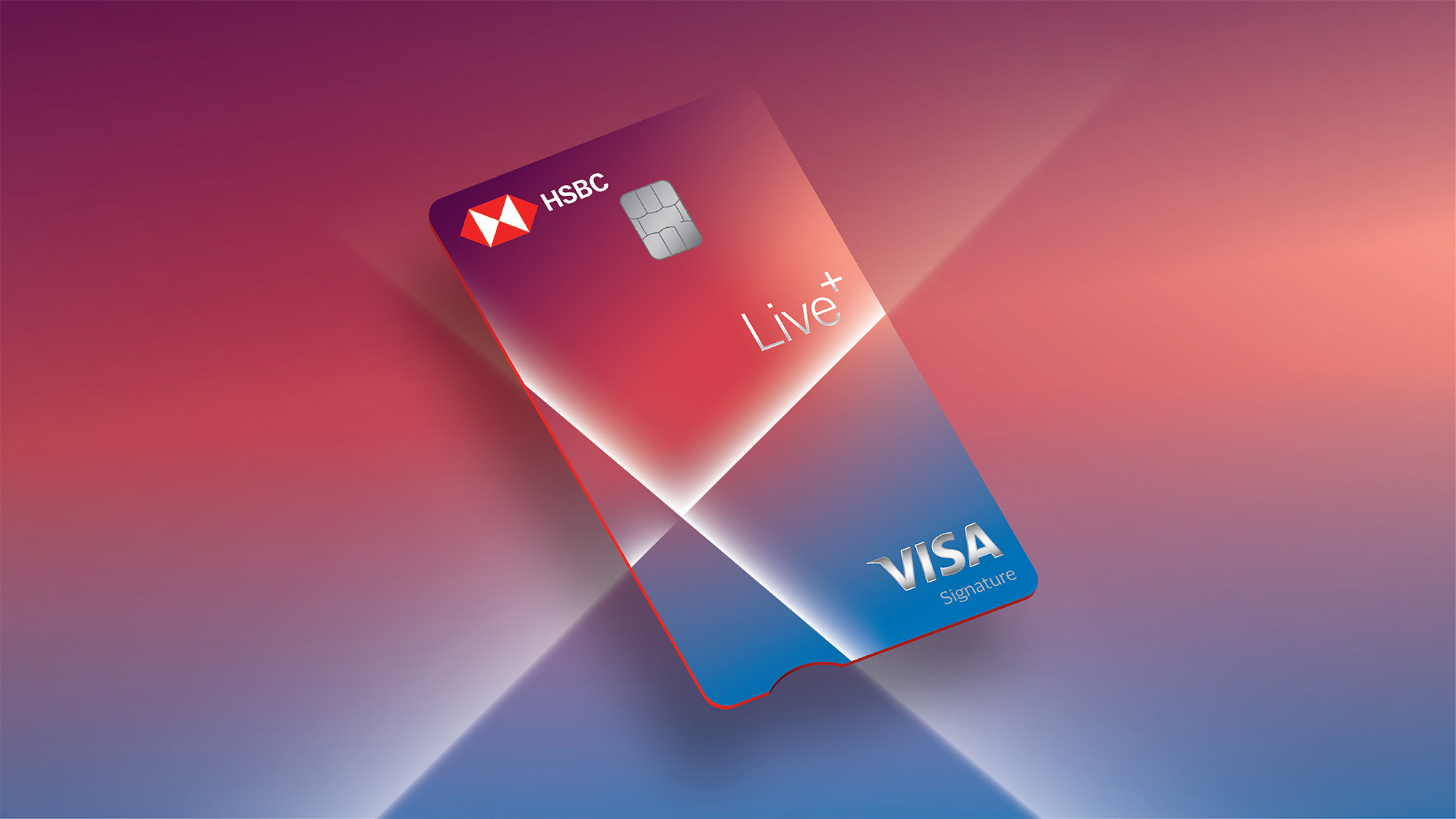
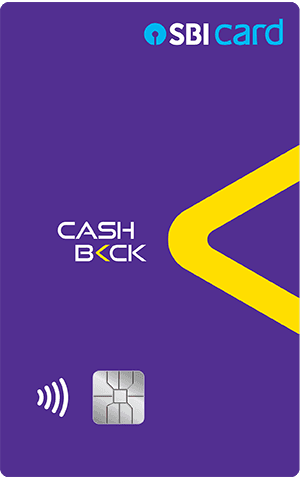
₹999 joining + ₹999/yr (waived above ₹2,00,000 spend) → year 1 nets ₹16,731
- ₹16,760/yr-₹970 vs #1
- ₹15,859/yr-₹1,871 vs #1
- ₹15,780/yr-₹1,950 vs #1
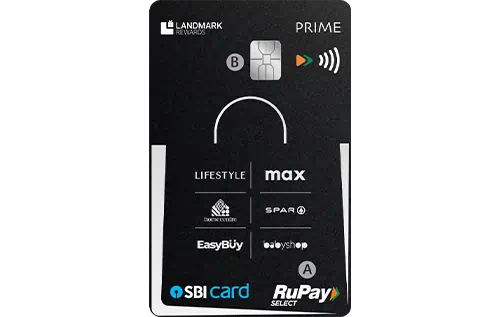
- ₹15,485/yr-₹2,245 vs #1

Ranked on net annual value — rewards earned, minus the annual fee, with category caps, exclusions, fee waivers and milestones applied. Lounge access and other perks are not priced in, so premium cards may be worth more to you than the number suggests. All ₹ values exclude GST.
How we pick the best credit card for you (2026)
Most "best credit card" lists rank cards by their headline reward rate, which tells you almost nothing. A card advertising 5% cashback usually caps that at ₹500–₹1,000 a month, drops to 1% after, and pays nothing at all on rent, fuel, utilities or insurance. Whether it is a good card for you depends entirely on where your money goes.
This finder runs your actual monthly spend through every card's real reward rules and ranks them by net annual value — the rupees you end up ahead after a full year.
What goes into the number
- Base and accelerated reward rates, per category.
- Monthly reward caps — the 5% stops where the cap does.
- Category exclusions: rent, wallet loads, fuel, insurance, EMI.
- Point valuation for your chosen redemption route (cashback or travel).
- Milestone benefits, but only those your annual spend actually reaches.
- The annual fee — zero if your spend clears the waiver threshold.
What is deliberately left out
- Lounge access, golf, concierge. Pricing these is guesswork and is how expensive cards get inflated on other sites.
- Welcome bonuses. A one-time voucher shouldn't decide a card you keep for years.
- Approval odds. No tool can see your credit score or the bank's internal rules. Use the fee filter to stay realistic.
- GST. All values exclude it; fees attract 18%.
Who benefits most — and who should skip this
Who benefits most from this
- First-time applicants who don't know which of 400+ cards to start with.
- Anyone paying an annual fee without checking whether the rewards actually cover it.
- Concentrated spenders — heavy on Amazon, Flipkart, fuel or dining. Co-branded cards can be worth several thousand rupees a year more.
- People whose spending has changed — a card chosen when you commuted daily may be wrong now that most spend is online.
Who should skip this
- Anyone carrying a balance. Card interest runs 36–48% a year. No reward rate on earth beats paying that off first. Rewards only matter if you clear the statement in full, every month.
- Anyone who overspends with a card in hand. A 5% reward on money you would not otherwise have spent is a 95% loss.
- Those chasing lounge access or status perks. Those aren't priced in here — compare the cards' benefit lists directly instead.
- People applying for several cards at once. Each application is a hard enquiry on your credit report; a cluster of them lowers your score.
Eligibility, documents and what happens after death
Eligibility and how to apply
Issuers typically look for an applicant aged 21–60, a credit score above 750, and stable income — entry cards from around ₹20,000 a month, super-premium cards from ₹2 lakh a month or a large relationship balance. Each card's page shows the issuer's stated requirement.
Documents usually required
- PAN card (mandatory) and Aadhaar for KYC.
- Identity and address proof — passport, voter ID or driving licence.
- Income proof: last 3 months' salary slips, or 2 years' ITR if self-employed.
- Last 3–6 months' bank statements.
- Recent passport-size photograph.
Apply on the issuer's own site or in-branch. Pre-approved offers inside your existing bank's app usually avoid a hard credit enquiry and approve faster.
Nomination, and what happens after the holder's death
A credit card is an unsecured personal liability, not an asset, so it has no nominee. On the holder's death the card must be closed and the outstanding balance settled from the estate. Add-on cards issued to family members stop working at the same time.
- Inform the issuer promptly with a death certificate; interest keeps accruing until the account is closed.
- Legal heirs are liable only to the extent of the estate — not from their own funds — unless they were a joint borrower or guarantor.
- Unredeemed reward points are almost always forfeited on closure. If a large balance has built up, redeem it rather than hoard it.
- Some cards bundle free credit-shield insurance that clears the outstanding amount on death — check the card's benefit list.
- Where the linked bank account matters — for refunds or credit balances — that account's nomination is what governs transfer, so keep it current.
Tax implications of credit card rewards
Cashback and reward points earned on personal spending are generally treated as a purchase discount rather than income, and are not taxed in the hands of a salaried individual. Three situations do attract attention:
- Business spending. If the expense was claimed as a business deduction, the cashback received against it reduces that expense and is effectively taxable.
- Gifts and vouchers above ₹50,000. Benefits received without consideration crossing ₹50,000 in a year can be taxed as income from other sources under Section 56(2)(x).
- TCS on foreign spend. International card spending falls under the Liberalised Remittance Scheme; TCS applies above the annual threshold and is creditable against your tax liability when you file.
GST at 18% applies to joining fees, annual fees, interest and late-payment charges. High-value card spending is also reported to the tax department through the Annual Information Statement — ₹10 lakh or more in a year, or ₹1 lakh paid by cash — so keep your spending consistent with your declared income. This is general information, not tax advice; consult a chartered accountant for your situation.
Sources: RBI Master Direction on Credit Card and Debit Card Issuance (2022, as amended), Income-tax Act 1961, sections 37(1) and 56(2)(x) and the RBI Master Direction on the Liberalised Remittance Scheme. Per-card fees, caps and reward rates come from each issuer's own published terms, linked on that card's page. Card data verified September 2026. This is general information, not tax advice.
Best credit card for your spending — FAQs
Which credit card is best for me?
There is no single best card — it depends entirely on where your money goes. A card paying 5% on online shopping is worthless if most of your spend is fuel and utilities, which many cards exclude outright. This tool ranks every card by what it would actually pay you on your own category mix, after caps, exclusions, fee waivers and milestones.
How many credit cards do you compare?
All 474 cards in our database, across 44 Indian issuers. We do not hide cards behind a partner list — the ranking is purely by net annual value for your spend.
Is the highest-ranked card the one I'll be approved for?
Not necessarily. Approval depends on your income, credit score and the bank's internal rules, which no calculator can see. Use the annual fee filter to keep results realistic — premium cards with high fees also carry the highest income requirements.
Does the ranking include the joining fee?
The ranking uses net annual value (rewards + milestones − annual fee), so it reflects the ongoing years. Each result also shows the joining fee and what year one nets after paying it, so a big first-year cost is never hidden from you.
Why isn't lounge access counted?
Assigning a rupee value to a lounge visit, a golf round or a concierge line is guesswork, and it is the trick used to make expensive cards look better than they are. We leave perks out of the number and show them separately on each card's page.
Should I hold more than one credit card?
Often yes. Indian cards are narrow — one is strong on online shopping, another on fuel or utilities. Many people are better off with a lifetime-free card covering their weak category alongside their main card. Run the finder once with your full spend, then again with just the categories your current card excludes.
Are the amounts shown after GST?
No. All rupee values exclude GST. Fees attract 18% GST, so a ₹5,000 annual fee costs ₹5,900. Confirm current fees and reward terms with the issuer before applying.
How current is the card data?
Card data was last verified in September 2026, and each card also carries its own verification month on its detail page, sourced from the issuer's official terms. Indian issuers devalue reward programmes frequently, so check the card's own page for recent devaluations before you apply.